
We live in an increasingly deregulated world.
There are fewer stopping points, fewer natural endings, fewer external constraints telling us when to rest, log off, say no or slow down.
Modern life and good health are not the easiest of friends.
Our work follows us home.
News follows us into bed.
Entertainment is endless.
Outrage and anger are always available.
Productivity has no finish line.
Temptation is everywhere.
When I dig a little deeper with my clients, a lot of their presenting issues (weight gain, poor eating habits etc) have been heavily influenced by deregulation in their day to day.
“Blimey Mike, what a cheery blog post for January!”
Granted but stay with me.
It is the harsh reality of today but fortunately we can help ourselves.
And, the good news, it doesn’t take a lot of work to do so.
In the absence of external limits, the burden shifts inward.
We must empower ourselves to have boundaries, our own set of “rules” and protect ourselves from the ever-increasing demands of the 21st century.

What boundaries do you have in place?
It’s a big misconception that fewer rules mean more freedom. We are creatures of habit and we thrive with good routine and a healthy dose of discipline.
Right now, I can’t think of many people that don’t have decision fatigue. When everything is available all the time, making decisions becomes the background noise of daily life.
Should I answer this message?
Should I keep scrolling?
Should I work a bit more?
Should I say yes to this request?
And when we’re tired, stressed or emotionally drained, we don’t make wise choices, we make easy ones.
And often, easy decisions are not aligned with decent health.
I’m sure it wasn’t all sunshine and rainbows but previous generations did have more built-in structure:
Shops closed.
Work hours were clearer.
Silence and boredom were unavoidable.
There wasn’t a million and one channels on the TV
And phones were not an extension of our arms…
Today, those things are mostly gone. Technology, “hustle culture” and economic pressure reward constant engagement.
It’s an interesting exercise to go through a day, observing the world around you, with the following in mind:
Has the physical and mental health of the public been considered here?
It’s an uncomfortable truth that the systems we live in are not designed for our wellbeing. They are designed for engagement, extraction and efficiency.
So if society won’t protect our health, energy and attention, we must.
More than ever, self-regulation needs to be in place for everyone.
It’s a BIG and complex topic and one that I’ll probably come back to in a future blog but for today, let’s start with boundaries.
Boundaries often feel limiting. Things we can’t do.
But they are there for our protection.
A boundary says:
This is where I stop.
This is what I value.
This is what I refuse to sacrifice.
Without boundaries, everything competes for our attention at the same time.
With boundaries, we are deciding what gets our attention and what doesn’t.
In 2026, that could apply to:
Work hours
Digital consumption
Relationships
News intake
Social obligations
Food intake
If you don’t put limits or boundaries in place, the system will keep taking your attention, your peace, your clarity and eventually, your health.
I’ve read many an article or blog about this kind of thing and the one thing that really grinds my gears is that they don’t give any practical advice. They tell us, much like I have, that the world around us isn’t great for us and then leave us high and dry without offering any advice.
So…
I’ve gone back through client messages, emails and check in feedback and have put together a list of actual, practical things that current and past clients have put in place to help create boundaries. These have all been put in place for varying reasons whether that be reducing screen time, minimising temptation or putting barriers in place to make things less desirable. Don’t try to do all of them. Identify, what’s negatively impacting you the most right now and see what sustainable boundaries you can put in place.
I hope it helps, see you next week
• All notifications off, including WhatsApp
• Phones out of the bedroom or at the very least, out of reach
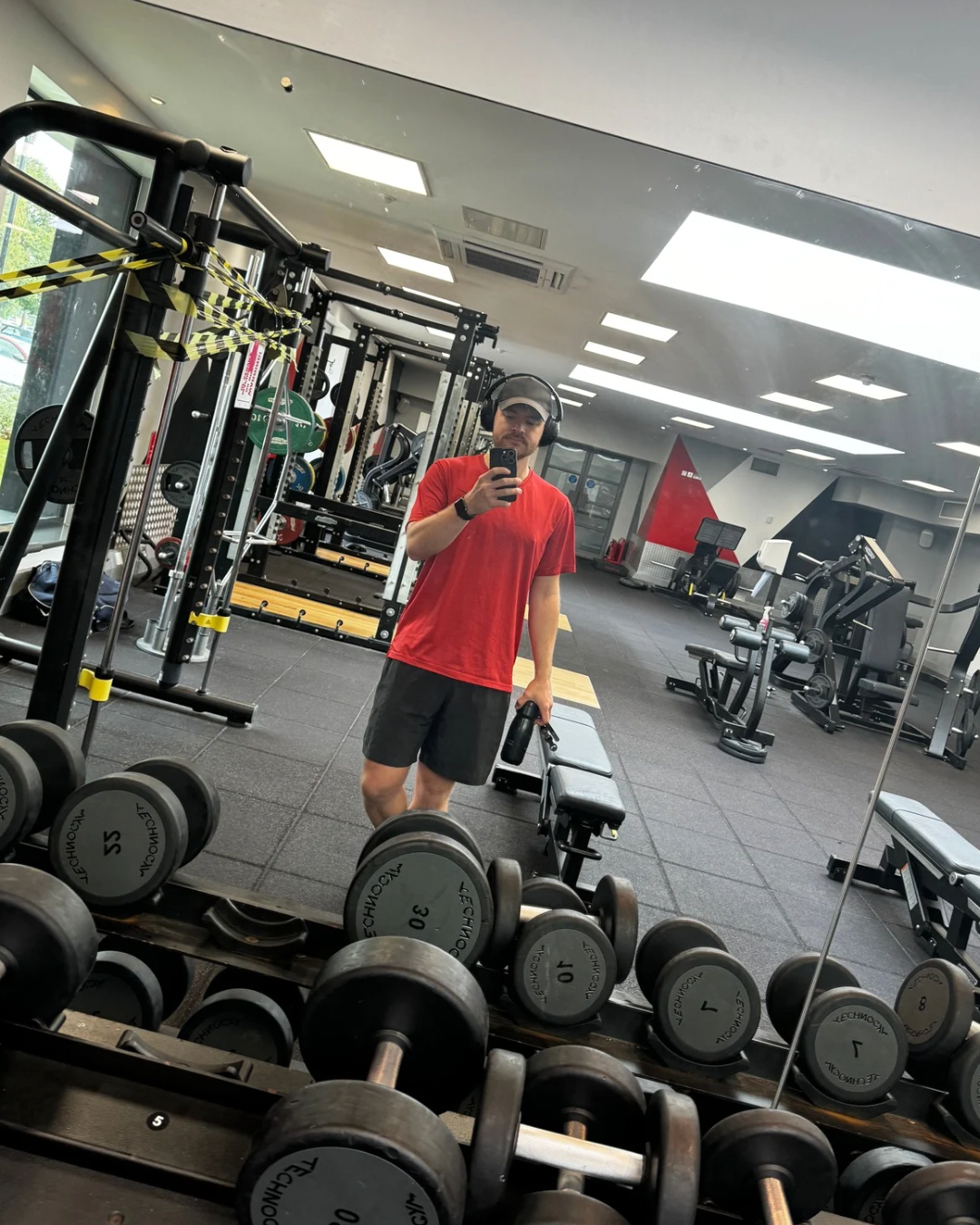
• Treating your gym sessions/home workouts like doctor’s appointments. Unless there is a genuinely good reason, they do not get missed.
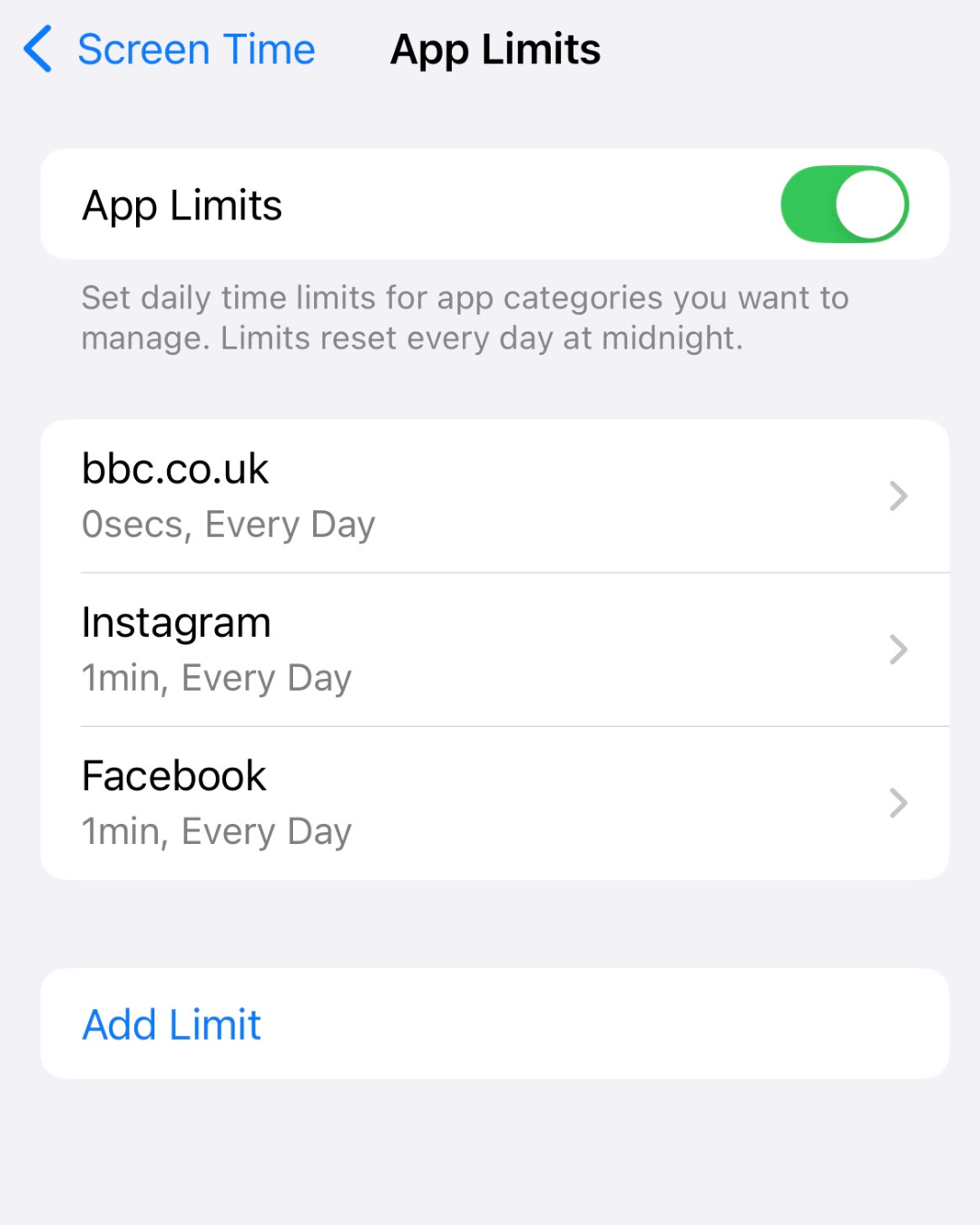
• Time limits on social media, websites etc (you can set this up in screen time settings) Quite literally putting barriers between you and social media
• Buying petrol, and petrol only, at petrol stations. Better still, they are not going to try and tempt you with chocolate and sweets at the “Pay at Pump”
• Phone free for the 15/30/60 minutes of your day, whatever is realistic for you.
• Putting something in place in your day/week that is purely for you and your enjoyment. Like your gym sessions, it doesn’t get missed.
• Putting in place a hard cut off to your working day (especially if you WFH)
• One evening during the week being a screen free evening
• Actively trying to phone more people rather than message. We lack connection in the modern world (a topic for another time)
• If you work from home, building out a proper routine including a lunch break.
• Deleting Deliveroo, Just Eat and Uber Eat apps from your phone.

To balance out the heaviness of today’s post, here’s a picture of Jojo… she knows how best to spend rainy days in January!